Introduction
A renovation project can start with a simple plan to remove old flooring or clear unwanted furniture. Before long, the waste begins taking up valuable space, making it harder to work safely and keep the property organised. Managing that debris becomes an important part of completing the project efficiently.
A dumpster rental offers a practical way to collect and remove larger volumes of waste without relying on repeated trips to disposal facilities. With the right container, rental period and disposal arrangements, homeowners, contractors and businesses can keep their work areas cleaner and manage waste more conveniently.
Dumpster Rental San Antonio provides a useful starting point for understanding how organised waste removal can support different types of projects.
Why a Dumpster Rental Can Make Project Cleanup Easier
Choosing San Antonio Dumpster Rental can simplify waste management by providing a dedicated container for collecting debris throughout a project. Instead of allowing rubbish to accumulate in different areas or arranging multiple disposal trips, you have one designated place for accepted waste.
This approach is useful for projects that generate bulky or continuous waste. Home renovations, garage cleanouts, roofing work, landscaping and commercial property clearances can all produce more debris than ordinary household bins can accommodate.
A rental container also helps create a more organised working environment. Workers can place waste in a designated area as tasks are completed, reducing clutter around entrances, pathways and active work zones.
The main benefits include
-
Convenience because waste can be collected in one accessible location.
-
Time savings by reducing repeated journeys to disposal facilities.
-
Improved organisation through a dedicated area for project debris.
-
Better site management by keeping unwanted materials away from active work areas.
-
Flexible capacity with different container sizes for different project requirements.
The value comes from choosing a rental arrangement that matches the actual work rather than simply selecting the largest available container.
Suitable for Different Residential Projects
Household projects often create more waste than expected. Even a relatively small renovation can involve old cabinets, damaged flooring, packaging, broken fixtures and unwanted furniture.
A dumpster can help homeowners manage these materials without allowing rubbish to accumulate around the property.
Home renovations
Kitchen upgrades, bathroom renovations and flooring replacements can generate a mixture of bulky and heavy debris. Having a container available during demolition makes it easier to remove materials as work progresses.
For larger renovations, consider when the most waste will be produced. Scheduling delivery around the demolition stage can help avoid occupying valuable driveway space unnecessarily.
Garage and property cleanouts
Garages, sheds and storage areas often contain items that have accumulated over several years. Old furniture, cardboard boxes, damaged equipment and general rubbish can quickly fill standard household bins.
A rental dumpster provides additional capacity for a planned cleanout. Sorting items before disposal can also help identify anything suitable for donation, recycling or separate handling.
Moving and property preparation
Preparing a property for sale, renovation or a new tenant can involve removing unwanted belongings and damaged materials. A dedicated container makes it easier to manage the cleanup while other preparation work continues.
It is worth checking whether certain appliances, mattresses or electronic items are accepted before placing them inside.
A Practical Option for Construction and Roofing Work
Construction and renovation sites need a reliable waste management process. Materials left around the work area can obstruct movement, create trip hazards and make it harder for workers to complete tasks.
A dumpster provides a central collection point for accepted construction debris. Depending on the rental arrangement, it can accommodate materials such as timber, drywall, packaging, flooring and certain roofing waste.
Keeping the worksite organised
A designated waste area helps workers understand where discarded materials should go. This reduces scattered debris and makes routine site maintenance easier.
Contractors should position the container where it remains accessible without interfering with deliveries, equipment movement or pedestrian routes.
Managing heavier materials
Construction waste is not always light or easy to handle. Concrete, brick, soil and roofing materials can add substantial weight, sometimes reaching the permitted limit before the container is full.
Before booking, confirm whether the container is suitable for the intended materials. Some projects may require specialised arrangements for heavy debris rather than a standard mixed-waste container.
Choosing the Right Container Size
One of the most important decisions is selecting a dumpster that can handle the expected waste volume. Container capacity is generally measured in cubic yards, with different options available for household cleanouts, renovations and larger construction projects.
An undersized container may require an additional collection or replacement. An oversized option may increase the rental cost without providing meaningful value.
To estimate your requirements, consider
-
The total area being cleared or renovated.
-
The number and size of bulky items.
-
The type of construction or household waste.
-
Whether materials will be generated all at once or gradually.
-
The weight of the expected debris.
It is also useful to distinguish between volume capacity and weight limits. A container may have available space but still be unsuitable for additional heavy materials because the permitted weight has already been reached.
If the project involves substantial demolition, discuss the expected waste with the rental provider before choosing a size.
Understanding Rental Costs and Conditions
A dumpster rental can offer convenience, but the overall value depends on the rental terms. The advertised price may not include every service or potential charge.
Before confirming a booking, request a clear explanation of the following.
Rental period
Find out how long the container can remain on your property and whether additional days involve extra charges.
Weight allowance
Check the included weight limit and the cost of exceeding it. This is particularly important when disposing of heavy construction materials.
Delivery and collection
Confirm whether transportation costs are included and how collection should be arranged once the container is full.
Disposal restrictions
Some materials require separate handling or are not accepted in standard containers. Ask for a list of prohibited items before loading begins.
Additional fees
Clarify possible charges for overweight loads, extended rentals, additional collections or unsuitable waste.
Dumpster Rental San Antonio is a useful reference point when considering these practical details and comparing the rental conditions that may affect a project’s budget.
A clear agreement helps prevent misunderstandings and makes it easier to plan the total cost of waste removal.
Better Site Safety Through Organised Waste Removal
Construction debris and household rubbish can create safety concerns when left in working areas. Loose timber, broken tiles, sharp objects and scattered packaging can obstruct walkways or cause injuries.
A properly positioned dumpster helps establish a designated disposal area. Workers can remove waste from active spaces rather than leaving it in piles around the property.
However, renting a container does not automatically make a worksite safe. Materials still need to be handled correctly, and the dumpster must be loaded within its permitted limits.
A few practical precautions can improve site organisation.
-
Keep access routes and emergency exits clear.
-
Avoid placing waste above the marked fill line.
-
Distribute heavy materials evenly.
-
Keep children and unauthorised people away from the container.
-
Do not place hazardous materials in a general waste dumpster.
-
Follow safe lifting practices when moving bulky items.
For renovation projects involving potentially hazardous materials, arrange appropriate assessment and handling before disposal.
What to Check Before Scheduling Delivery
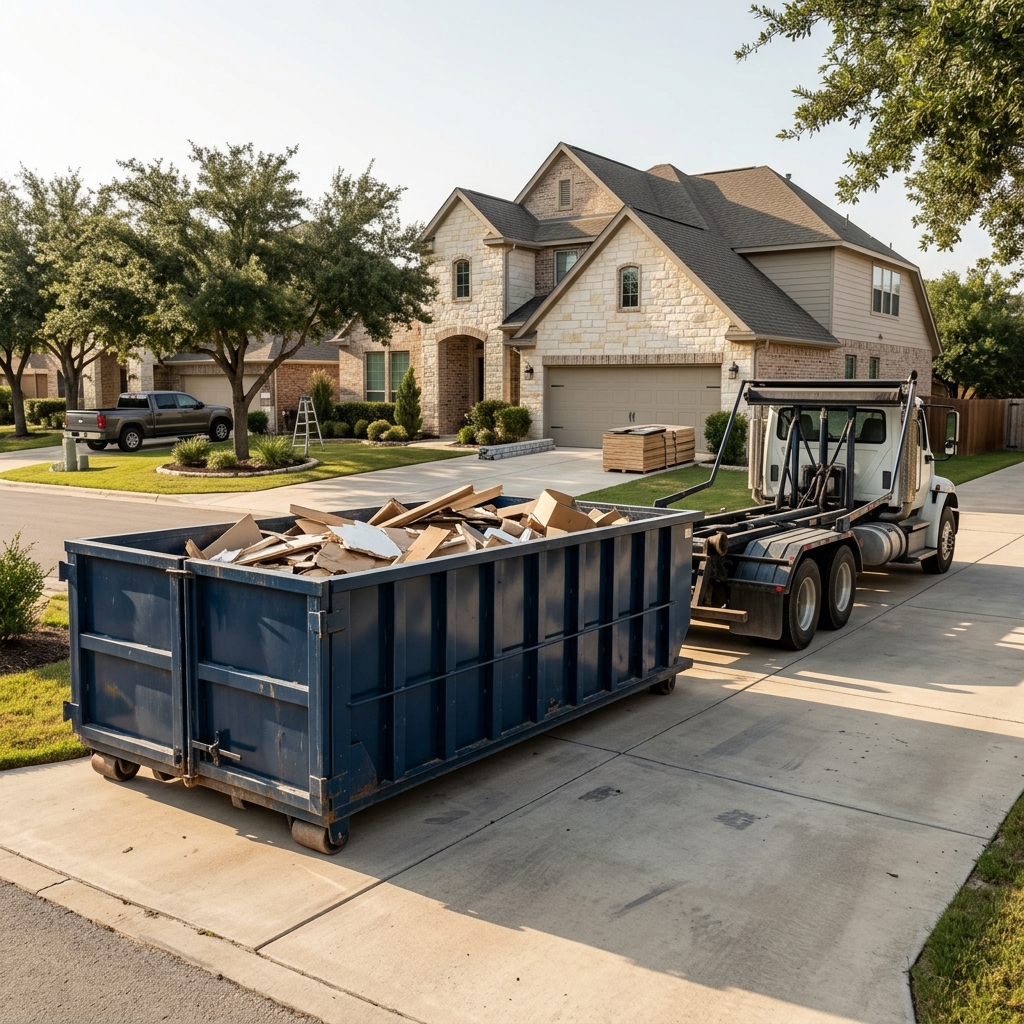
A suitable container needs an appropriate location. Before arranging delivery, check the available space and make sure the truck can access the intended placement area.
A driveway is often convenient, but narrow entrances, low branches, overhead cables and uneven surfaces can create problems. The ground should also be suitable for supporting the container and its contents.
If you intend to place a dumpster on a public street or shared area, check whether local permission or a permit is required.
It is helpful to discuss the placement location with the rental provider before confirming the delivery date. Providing accurate information about access conditions can reduce the risk of delays or unsuccessful delivery attempts.
Common Mistakes That Can Reduce the Value of a Rental
A few planning mistakes can turn a convenient waste removal arrangement into an expensive or frustrating experience.
Underestimating the amount of waste can leave you with insufficient capacity. Consider bulky items and demolition materials rather than relying on a rough visual estimate.
Ignoring weight restrictions can result in additional charges or collection problems. Heavy materials should be discussed before loading.
Booking too early or too late can affect the project schedule. Arrange delivery around the stage when waste generation is expected to begin.
Failing to check restricted materials can create disposal complications. Confirm what is accepted before placing unfamiliar items in the container.
Choosing based only on the advertised price may overlook important conditions. Compare the full rental arrangement, including duration, weight allowance and collection fees.
Conclusion
A dumpster rental is worth considering when a project generates more waste than ordinary disposal arrangements can handle. It offers a practical way to organise debris, reduce repeated disposal trips and maintain cleaner working areas during renovations, cleanouts and construction activities.
The best results come from selecting the right container, understanding rental conditions and planning delivery around the project’s requirements. Those exploring organised waste removal can learn more about the considerations involved through Dumpster Rental San Antonio.
Frequently Asked Questions
Is renting a dumpster better than making multiple disposal trips?
A dumpster can be more convenient when a project produces a large or continuous volume of waste. It provides a central collection point and reduces the need to transport debris repeatedly.
Can I rent a dumpster for a weekend project?
Weekend rentals may be available depending on the provider’s schedule and rental terms. Confirm delivery, collection and rental duration before arranging your project.
Can a dumpster help with storm cleanup?
Yes, a dumpster may help collect accepted debris after storms, including damaged household materials and certain construction waste. Hazardous materials and specialised debris may require separate disposal arrangements.
Can I share a rental dumpster with a neighbour?
Sharing may be possible if the rental agreement permits it and both parties follow the same disposal restrictions. Agree on access, waste types and responsibility for additional charges before using the container.
Will a dumpster damage my driveway?
A heavy container may mark or damage certain surfaces depending on their condition and the weight involved. Discuss protective measures and suitable placement with the rental provider before delivery.
Can I put recyclable materials in a rental dumpster?
Some recyclable materials may be accepted, but mixed-waste containers do not always allow separate recycling. Ask about sorting requirements and alternative disposal options before loading.
What happens if someone puts prohibited waste in my dumpster?
The rental provider may refuse collection or require the restricted material to be removed. Check the accepted waste list and monitor what is placed inside the container.
Can I move the dumpster after it has been delivered?
You should not attempt to move a loaded dumpster yourself. Contact the rental provider if its position needs to change because specialised equipment may be required.
How do I know when my dumpster is ready for collection?
A dumpster is generally ready for collection when the project waste has been loaded and the container has reached its agreed capacity without exceeding its fill line or weight limit. Contact the provider to arrange pickup according to the rental agreement.