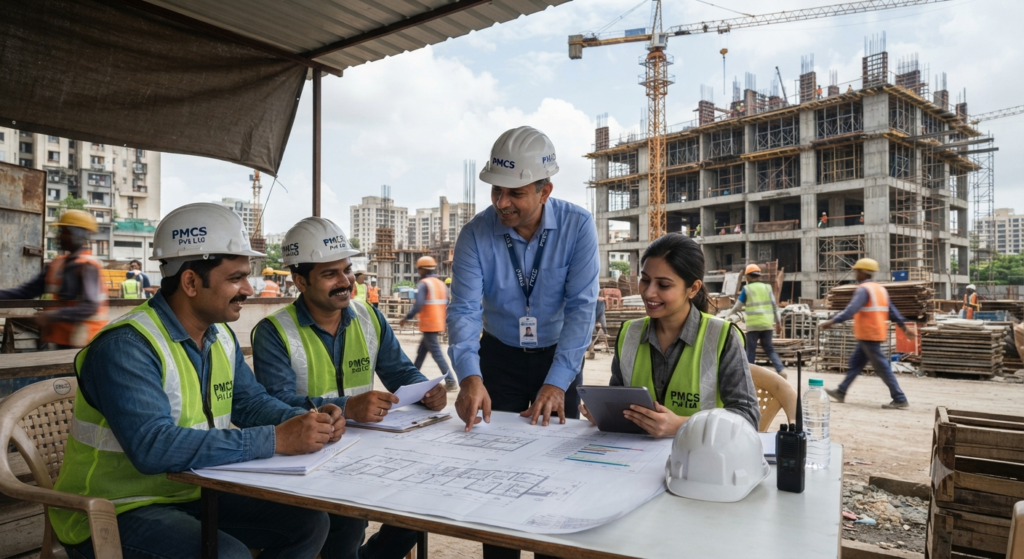
Construction projects involve multiple activities that must work together to achieve successful results. From initial planning and budgeting to procurement, execution, quality checks, and final handover, every stage requires careful coordination. Even a well-designed project can face delays, cost overruns, quality concerns, and communication gaps without effective management.
This is where Project Management Consultancy plays an important role. Professional project management support helps owners, developers, contractors, architects, and engineers coordinate different aspects of construction while maintaining focus on time, cost, quality, and safety. By introducing structured planning and systematic monitoring, it can make construction projects more organized and efficient.
Understanding Project Management Consultancy
Project Management Consultancy involves professional guidance and coordination throughout the different stages of a construction project. A project management consultant works with stakeholders to establish project objectives, develop schedules, monitor progress, control costs, coordinate teams, and identify potential risks.
The scope can vary depending on the size and complexity of the project. It may include planning, tender support, contractor coordination, documentation, quality monitoring, budget management, site supervision, progress reporting, and project closeout.
Rather than allowing each participant to work independently, professional management creates a coordinated framework in which responsibilities and deadlines are clearly defined.
How It Improves Construction Planning
Planning is one of the most important factors affecting construction efficiency. Poor planning can result in material shortages, workforce problems, scheduling conflicts, design changes, and unnecessary expenditure.
A structured management approach begins by understanding project requirements and converting them into achievable activities. Work schedules can be developed according to project priorities, available resources, technical requirements, and expected completion dates.
Project managers can also establish milestones that allow progress to be measured throughout the construction process. When activities are properly sequenced, teams can understand what needs to be completed before subsequent work begins.
This organized approach reduces confusion and helps stakeholders respond quickly when circumstances change.
Better Cost Management
Controlling construction costs is another major area where professional management can improve efficiency. Construction budgets may be affected by material price changes, design modifications, rework, delays, poor procurement decisions, and unexpected site conditions.
A project management consultant can help establish budgets and monitor expenditure throughout the project. Regular financial reviews make it easier to identify deviations between planned and actual costs.
Cost monitoring also encourages timely decision-making. If a particular activity begins exceeding its allocated budget, corrective measures can be considered before the issue significantly affects the overall project.
Effective cost management does not simply mean reducing expenses. It means ensuring that available resources are used efficiently while maintaining the required quality and performance standards.
Improved Coordination Between Stakeholders
Construction projects involve many participants, including property owners, architects, structural engineers, contractors, suppliers, consultants, and site personnel. Communication gaps between these groups can create serious project problems.
Project Management Consultancy establishes clearer communication channels among stakeholders. Meetings, progress reports, technical discussions, approvals, and documentation can be organized systematically.
For example, if a design modification affects construction activities, the relevant teams need to know about the change before work proceeds. Proper coordination helps reduce misunderstandings and minimizes the possibility of executing work based on outdated information.
Centralized coordination also makes it easier to track responsibilities and follow up on pending decisions.
Effective Schedule and Time Management
Construction delays can increase labor costs, affect material procurement, disrupt other activities, and postpone project completion. Time management is therefore an essential part of efficient construction.
Professional project management involves developing realistic schedules and monitoring progress against established milestones. Delayed activities can be identified early, allowing teams to investigate their causes and consider appropriate corrective actions.
Schedule monitoring may cover procurement, structural work, finishing activities, inspections, approvals, testing, and handover requirements. By reviewing these activities regularly, project teams can maintain better visibility of the overall timeline.
A well-managed schedule also helps contractors coordinate manpower and equipment more effectively.
Strengthening Quality Control
Construction efficiency should not come at the expense of quality. Poor workmanship or inadequate supervision can lead to defects, repairs, rework, and additional costs later.
Project management professionals can support quality control by establishing inspection procedures, monitoring work against specifications, and coordinating with technical consultants. Documentation of inspections and approvals also creates a useful record throughout the project.
Quality monitoring can cover materials, workmanship, construction methods, structural elements, finishing work, and compliance with approved drawings and specifications.
Early identification of quality issues is particularly valuable because correcting a problem during construction is generally more manageable than addressing it after project completion.
Identifying and Managing Project Risks
Every construction project involves potential risks. These may relate to design changes, site conditions, procurement, labor availability, weather, contractor performance, regulations, or budget limitations.
Project Management Consultancy helps establish a systematic approach to identifying and monitoring these risks. Potential issues can be recorded, evaluated, and assigned to responsible stakeholders for appropriate action.
Risk management does not eliminate every uncertainty. Instead, it helps project teams prepare for foreseeable challenges and respond to them in an organized manner.
Regular risk reviews can also ensure that new issues are considered as the project progresses.
Better Resource Utilization
Construction efficiency depends heavily on the effective use of labor, materials, machinery, time, and finances. Poor resource allocation can create idle periods and increase project costs.
Professional project management helps coordinate resources according to project requirements and planned activities. Procurement schedules can be aligned with construction needs so that essential materials are available when required without unnecessary stockpiling.
Similarly, manpower and equipment can be planned according to the work schedule. This approach supports smoother site operations and reduces avoidable interruptions.
Role of Technology in Construction Management
Modern construction projects increasingly use digital tools to improve monitoring and communication. Scheduling platforms, project management software, digital documentation, reporting systems, and building information technologies can provide better visibility into project activities.
Project management professionals can use these tools to track progress, maintain records, share updates, and identify deviations from planned schedules or budgets.
Technology also improves access to project information. Stakeholders can review reports and documentation more efficiently, supporting faster communication and informed decisions.
For a structural engineering consultancy such as Gopinath Nambiar & Associates, integrating professional coordination with technical expertise can help clients maintain better oversight of construction and related engineering activities.
How It Reduces Rework and Delays
Rework is one of the major causes of wasted time and resources on construction sites. It may result from inaccurate information, poor coordination, workmanship issues, material problems, or changes introduced after work has already started.
A structured management system can reduce these risks by encouraging timely approvals, proper documentation, inspections, and coordination between design and execution teams.
When potential conflicts are identified before construction begins, corrective action can often be taken without significantly disrupting site activities. This contributes to smoother execution and more predictable project performance.
Supporting Successful Project Handover
Project efficiency extends beyond construction completion. The final stage involves inspections, testing, documentation, rectification of outstanding issues, approvals, and handover.
A systematic management process ensures that these activities are planned rather than treated as last-minute tasks. Required documents can be collected progressively, while pending defects and corrective actions can be tracked.
This creates a smoother transition from construction to occupancy or operational use.
Choosing the Right Project Management Consultant
Selecting an appropriate consultant is an important decision for project owners. Factors such as technical expertise, industry experience, communication practices, management capabilities, documentation processes, and understanding of construction requirements should be considered.
The consultant should also be capable of coordinating with different professionals and maintaining clear communication throughout the project.
For projects involving structural assessments, repairs, rehabilitation, strengthening, or technical coordination, choosing a consultant with relevant engineering knowledge can provide additional value.
Gopinath Nambiar & Associates provides structural engineering and project-related consultancy services with a focus on systematic assessment, technical coordination, and practical engineering solutions.
Conclusion
Construction efficiency depends on more than completing individual activities on time. It requires coordinated planning, cost monitoring, quality control, risk management, resource utilization, and continuous communication among stakeholders.
Project Management Consultancy brings these elements together through a structured management framework. By monitoring schedules, coordinating teams, controlling costs, supporting quality, and identifying risks early, it can help construction projects operate more systematically.
For owners and developers, professional management can provide greater visibility into project performance and support better decision-making throughout the construction lifecycle. When combined with strong technical expertise and effective communication, it creates a more organized approach to delivering construction projects.
FAQs
Q1. What is Project Management Consultancy in construction?
Project Management Consultancy provides professional planning, coordination, monitoring, and management support throughout a construction project. It can cover scheduling, budgeting, procurement, quality monitoring, risk management, documentation, and project coordination.
Q2. How does project management help reduce construction delays?
It helps establish realistic schedules, monitor milestones, coordinate stakeholders, and identify delayed activities at an early stage. Timely monitoring allows project teams to investigate problems and take corrective measures.
Q3. Can project management consultancy help control construction costs?
Yes. Regular budget monitoring, procurement planning, progress tracking, and identification of cost deviations can help project stakeholders manage expenditure more effectively and reduce avoidable financial risks.
Q4. Why is quality monitoring important in construction projects?
Quality monitoring helps identify workmanship, material, or execution issues before they become more difficult and expensive to correct. It also helps ensure that construction work follows approved specifications and project requirements.
Q5. When should a project management consultant be appointed?
A consultant can be appointed during the early planning stage so that project objectives, schedules, budgets, responsibilities, and management procedures can be established before major construction activities begin. However, consultancy support can also be introduced during ongoing projects when better coordination or monitoring is required.