Working at height is a regular requirement in construction, warehousing, industrial maintenance and commercial property management. A scissor lift provides a practical solution for tasks that require workers to reach elevated areas while carrying tools and materials. Choosing the right machine can improve work efficiency, support site safety and help businesses manage project costs.
Understanding the Benefits of a Scissor Lift
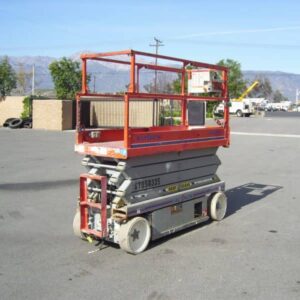
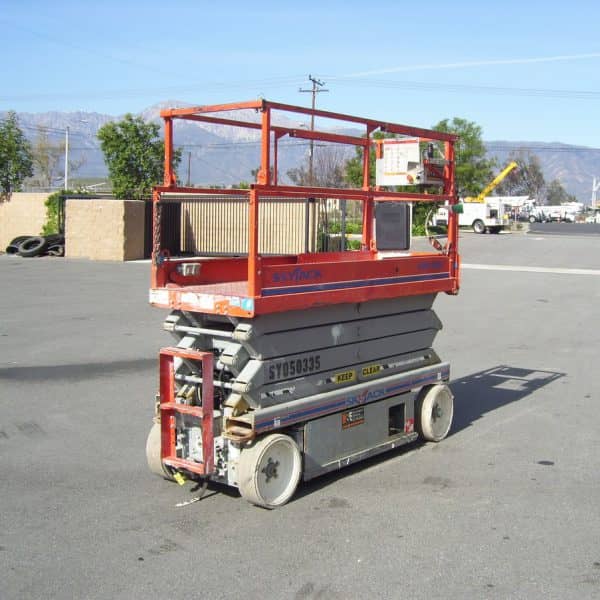
A scissor lift is a powered access platform that moves vertically using a linked support mechanism. It is commonly used for ceiling installation, electrical maintenance, painting, warehouse operations and building inspections.
Unlike a boom lift, which can provide horizontal outreach, a scissor lift is primarily designed to raise workers directly to the required height. This makes it suitable for tasks where the work area is located above the machine and there are no significant obstacles preventing vertical access.
Different models offer different platform heights, load capacities and dimensions. Before selecting a machine, businesses should identify the required working height, number of workers, tools involved and available operating space.
When Is Scissor Lift Rental a Suitable Option?
Purchasing access equipment may not be practical for every business, particularly when machinery is needed for a short-term project. Scissor lift rental provides access to suitable equipment without requiring a significant upfront investment.
Rental is often useful for building refurbishment, warehouse maintenance, temporary installations and construction projects with changing access requirements. It also allows contractors to select different equipment according to the needs of individual jobs.
Before arranging a rental, confirm the platform dimensions, rated capacity, power source and ground conditions. Businesses should also check the delivery schedule and ensure the machine can pass through doorways, corridors or other restricted access points where necessary.
Finding Reliable Scissor Lift Suppliers in the UAE
Choosing suitable scissor lift suppliers in UAE involves more than comparing prices. Businesses should review equipment specifications, maintenance arrangements, availability and the level of support provided throughout the rental period.
A reliable supplier should be able to explain the differences between available models and help customers identify equipment that matches their working environment. Customers should also confirm that the machine has undergone the required inspections and is supplied in appropriate operating condition.
For indoor applications, an electric model may be preferable because it produces no exhaust emissions at the point of use and generally operates more quietly than diesel-powered alternatives. Outdoor projects may require equipment specifically designed for the relevant terrain and weather conditions.
Understanding Scissor Lift Rental in Dubai
Businesses arranging scissor lift rental Dubai services should consider project location, delivery access and the duration of the work. Construction schedules can change, so confirming rental periods and extension arrangements before booking can help prevent unnecessary disruption.
The site should be assessed to determine whether the surface is level and capable of supporting the machine. Operators must also consider overhead obstructions, nearby work activities and the manufacturer’s operating requirements.
Providing accurate project details when requesting a quotation helps suppliers recommend appropriate equipment and identify potential access limitations before delivery.
What Determines the Scissor Lift Price in the UAE?
The scissor lift price in UAE depends on several factors, including platform height, machine specifications, brand, condition and whether the equipment is purchased or rented.
For rental agreements, the hire duration, transport costs, maintenance arrangements and any additional services may influence the total price. For purchases, businesses should consider the initial cost alongside inspection, maintenance, storage and long-term operating expenses.
Requesting an itemised quotation makes it easier to compare suppliers fairly. The lowest headline price may not represent the best overall value if the machine is unsuitable or the agreement excludes essential services.
Safety Considerations Before Operating a Scissor Lift
Before use, operators should inspect the equipment in accordance with the manufacturer’s instructions and report any defects. The working area must be assessed for ground conditions, overhead hazards and potential collision risks.
The machine should only be used within its rated capacity and on surfaces appropriate for its design. Operators should follow applicable training requirements, site procedures and manufacturer guidance, including any relevant restrictions on outdoor operation.
Selecting suitable equipment, planning the task carefully and confirming the rental arrangements can help businesses complete elevated work efficiently. With the right scissor lift and appropriate operating procedures, contractors and facility managers can improve access to elevated work areas while maintaining a responsible approach to workplace safety.