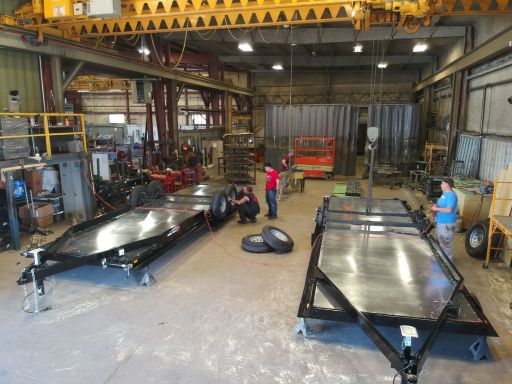
You think you’re ready. Found the land. Picked out a tiny home trailer. Maybe even talked to some tiny house experts. Then reality hits. The tiny house code in your county says something totally different than what you read online. I’ve seen it happen more times than I care to count. People call me after they’ve already bought materials or signed a lease on property. And the news ain’t pretty.
Why Most Folks Skip the Tiny House Code Research
Here’s the blunt truth. Nobody wants to read building codes. They’re dry, confusing, and written by committees who seem to hate fun. So people wing it. They assume if their structure is under 400 square feet or sits on wheels, rules don’t apply. That’s wrong. Dead wrong. Most counties have adopted some version of the IRC Appendix Q, which covers tiny houses. But not all. And some have local amendments that’ll make your head spin. I’m not saying you need a law degree. But you do need to spend an afternoon at the planning department or at least a deep dive on their website.
Real Talk: What the Tiny House Code Actually Covers
People obsess over square footage and lofts. That’s not where code gets tricky. It’s ceiling height in sleeping areas. Stair versus ladder requirements. Egress windows in lofts—good luck fitting those. And the big one: minimum room dimensions. Some codes say a sleeping loft needs a certain floor area or headroom that basically kills the whole design. I watched a guy scrap his entire build because his tiny house code required a seven-foot ceiling in the loft. He didn’t check first. Don’t be that guy. Also, wastewater. Oh man, wastewater. That’s where a lot of DIY dreams go to die.
When a Tiny House on Wheels Isn’t the Loophole You Think
Wheels seem like a hack, right? No foundation, no permit? Not exactly. Many jurisdictions now treat any “dwelling unit” the same whether it’s on a tiny home trailer or a concrete slab. If you hook up water, power, or septic, you trigger inspections. Even if you’re off-grid, some places have occupancy rules that ban living in a vehicle for more than thirty days. I’ve seen people forced to move their beautiful tiny house every few weeks. That gets old fast. So understand: a tiny house code might still apply even if you’ve got axles underneath.
The ADU Builder Connection Nobody Talks About
Here’s where the smart money goes. Instead of fighting the tiny house code on wheels, look at an ADU builder. Accessory Dwelling Units sit on foundations and follow residential code. But guess what? Some ADU rules are actually looser than tiny house regs. Especially in California, Oregon, and a handful of other states. You can often build a small foundation ADU without the same setback or parking requirements. An experienced ADU builder knows local amendments inside out. They’ll tell you where you can sneak in a tiny house as an ADU versus where you’re forced into the wheeled loophole mess.
How to Find an ADU Builder Who Gets Small Spaces
Not every general contractor wants to build a 400-square-foot unit. Margin’s too thin. So you need someone who specializes. Search for “adu for sale” listings in your area and look at who built them. Call tiny house experts who offer foundation builds, not just trailers. Ask blunt questions: “How many small-footprint ADUs have you permitted in this county?” “What’s the smallest bedroom size you’ve gotten approved?” If they hesitate, move on. A good ADU builder will talk code like it’s second nature. They’ll mention egress, insulation R-values, and fire separation without you asking.
The Hidden Costs of Ignoring Tiny House Code
I’ll lay it out simple. You skip research, you pay later. Maybe it’s a stop-work order. Maybe it’s ripping out a wall because your loft has the wrong ceiling height. Worst case? You build something that’s legally an RV, not a house, and nobody will finance it or insure it. I had a couple last year who built a gorgeous tiny home on a trailer. No permits. County red-tagged it after a neighbor complained. They had to move it three times in six months. Sold it at a loss. All because they didn’t Google “tiny house code + county name” before they started.
Final Thoughts Before You Hammer a Single Nail
Look, I’m not the code police. Build what you want. But build smart. Start with your local tiny house code. Write down every question you have about lofts, ladders, windows, and waste. Then call the permit office—yes, actually call them—and ask. After that, decide if wheels or a foundation makes more sense. If foundation wins, bring in an ADU builder early. Pay them for an hour of their time. That hour costs less than a single code violation. You’ll sleep better knowing your tiny house won’t end up as a very expensive shed. Or worse, a rolling headache. Get the rules straight first. Then build something that lasts.