For businesses working in event décor and styling, fabric choice can make or break the final look. Whether sourcing from a fabric shop near you or browsing fabric cloth online, understanding how different materials behave is key. Soft gauze and structured poly-cotton are two popular options, especially among event planners. Each brings a different vibe to the table, so knowing how to drape them effectively helps create standout setups.
Let’s explore how these fabrics work and which draping styles suit them best.
Why Fabric Behavior Matters in Draping
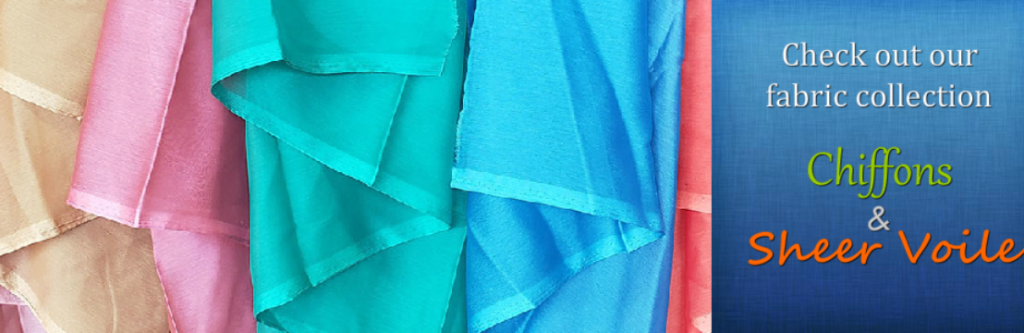
Before jumping into styles, it is important to understand how these fabrics behave. Soft gauze is lightweight, airy, and slightly sheer. It flows easily and creates a relaxed, romantic feel.
On the other hand, poly-cotton has more structure. It holds shape better and gives a cleaner, more defined finish. Because of this contrast, the draping approach needs to match the fabric’s natural qualities.
For buyers and suppliers, this knowledge helps in guiding clients and delivering results that meet expectations.
What Draping Styles Suit Soft Gauze?
Soft gauze is all about movement and softness. It works best in styles that let it flow naturally rather than forcing it into rigid shapes.
Loose and Flowing Drapes
This is the go-to style for gauze. Let the fabric fall freely from ceilings, arches, or frames. The slight transparency adds depth without making the setup feel heavy. Event planners often use this style for weddings and intimate gatherings. It creates that dreamy, effortless look clients love.
Layered Swags
Layering gauze in soft swags adds volume without weight. Multiple layers can be draped across backdrops or stages to create a fuller appearance.
This works well for photo booths and ceremony backdrops. It gives a rich look while keeping things light and breathable.
Canopy Draping
Gauze is perfect for canopy setups. It can be draped loosely over frames or outdoor structures to create a soft cover. This style is popular for outdoor events. It provides a touch of elegance while still feeling open and airy.
Which Styles Work Best with Poly-Cotton?
Poly-cotton is more structured, so it shines in styles that require precision and definition.
Pleated Draping
Pleats work beautifully with poly-cotton. The fabric holds folds well, creating a neat and polished look. This style is ideal for formal events and corporate setups. It gives a sense of order and professionalism.
Tailored Backdrops
For clean and sharp backdrops, poly-cotton is a strong choice. It can be stretched or pinned to create smooth surfaces without wrinkles.
This is often used for stage designs, exhibitions, and branded events. It provides a solid base for logos and visuals.
Structured Swags
Unlike gauze, poly-cotton swags look more defined. They can be arranged in symmetrical patterns for a balanced design. This works well for banquet halls and large venues where a more formal appearance is needed.
Can Gauze and Poly-Cotton Be Combined?
Yes, and this is where things get interesting. Mixing soft gauze with structured poly-cotton creates a balanced look that feels both elegant and grounded.
For example, use poly-cotton as a base layer for backdrops. Then add gauze on top for softness. This combination adds depth and texture without overcomplicating the design.
Event planners often use this approach to meet diverse client preferences. It allows for creativity while maintaining structure.
How Should Businesses Source These Fabrics?
Sourcing plays a big role in execution. Businesses can explore fabric cloth online for a wider range of options and bulk availability. This is especially useful for large-scale projects.
At the same time, visiting a fabric shop near you allows for a hands-on experience. You can feel the texture, check the weight, and ensure the quality matches your needs.
Having both options is a smart move. It provides flexibility and helps meet tight deadlines.
What Do Clients Expect from Draping Styles?
Clients today want more than just decoration. They want an experience. Soft gauze delivers a romantic and relaxed feel, while poly-cotton offers a clean and structured look.
Understanding these expectations helps businesses recommend the right draping styles. It also builds trust and strengthens client relationships.
Event planners, in particular, appreciate suppliers who can guide them with practical suggestions. It saves time and ensures better results.
Tips for Achieving the Best Results
Getting draping right is not just about the fabric. A few practical tips can make a big difference.
First, always consider the venue. High ceilings work well with flowing gauze, while smaller spaces may benefit from structured designs.
Second, pay attention to color. Light shades enhance the softness of gauze, while bold tones highlight the structure of poly-cotton.
Finally, test the setup before the event. This helps identify any adjustments needed and ensures a smooth final execution.
Final Thoughts
Soft gauze and structured poly-cotton each bring something unique to event décor. The key is to match the draping style with the fabric’s natural qualities.
Loose, flowing styles work best for gauze, while clean and defined designs suit poly-cotton. Combining both can create a balanced and visually appealing setup.
For businesses sourcing from fabric cloth online or a fabric shop near you, understanding these differences is essential. It helps deliver better results and meet the expectations of modern event planners.
Finally, great draping is all about using the right fabric in the right way. And when done well, it turns any event space into something memorable.