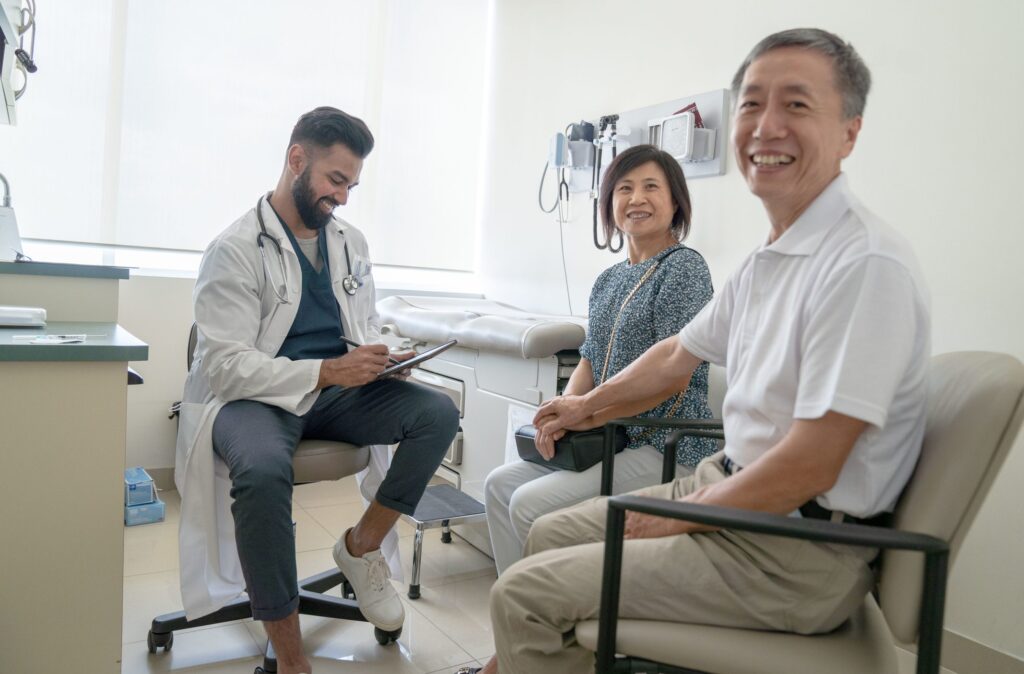
Most people picture a nurse at a hospital bedside, but plenty of nursing happens in clinics where patients walk in, get care, and go home the same day. If you are curious about that work, or you are researching a Medicaid Ambulatory Care Center as a patient or job seeker, understanding the nurse’s role helps. This article explains what ambulatory care nurses do, how their days unfold, and what skills the job demands.
Understanding the Ambulatory Care Nurse Role
An ambulatory care nurse is a registered nurse (RN) who cares for patients in outpatient settings. These patients are not admitted overnight. They arrive for a visit, a procedure, a screening, or a check-up, and they leave once their care is complete.
The work goes well beyond taking vital signs. Ambulatory nurses assess symptoms, teach patients how to manage conditions at home, coordinate with physicians and specialists, and follow up after visits. Because patients return home quickly, the nurse’s teaching and planning often decide whether treatment succeeds.
The American Academy of Ambulatory Care Nursing (AAACN) is the main professional organization for this specialty. It describes the field as one built on care coordination, patient advocacy, and continuity across settings, not just clinical tasks.
How This Role Differs From Inpatient Nursing
Inpatient nurses monitor the same patients for hours or days. Ambulatory nurses usually have a short window with each person, sometimes fifteen to thirty minutes, so they must gather the right information quickly and decide what matters most.
The pace also differs. Hospital units run around the clock, while most clinics operate on daytime schedules with fewer weekends and holidays. Many nurses choose ambulatory work for that predictability, though the appointment-driven rhythm can still be intense.
Relationships look different too. Hospital patients may be seen once, but clinic patients with diabetes, asthma, or high blood pressure may visit the same nurse for years. That long-term connection is a defining feature of the job.
A Typical Day in Ambulatory Care Nursing
No two clinics run alike, and a pediatric office feels very different from a dialysis center. Still, most ambulatory nurses follow a rhythm that includes preparation, patient contact, and follow-up.
Morning: Preparing for the Patient Schedule
The day often starts with a team huddle. Nurses review the schedule, flag patients who need extra time, and check that supplies, vaccines, and equipment are ready. They also read overnight messages and lab results that arrived since the previous afternoon.
Next comes chart preparation. A nurse might notice that a patient due for a diabetes visit is missing a recent blood sugar result, then arrange for it before the appointment. Small steps like this keep visits efficient and prevent delays.
When the doors open, nurses begin rooming patients. They confirm the reason for the visit, record vital signs, update medication lists, and screen for concerns such as falls, depression, or safety at home.
Midday: Direct Care, Triage, and Patient Teaching
The middle of the day usually brings the heaviest patient flow. Nurses give injections and immunizations, draw blood, change wound dressings, perform electrocardiograms, and assist providers with exams or minor procedures.
Triage is another core task. Triage means sorting patients by urgency. A nurse may take a phone call from a parent whose child has a fever, ask targeted questions, and decide whether the child needs a same-day visit, home care advice, or emergency care.
Patient education fills the gaps between tasks. A nurse might show a new parent how to use an inhaler spacer, walk someone through a glucose meter, or explain why a blood pressure medication should be taken even when they feel fine. Good teaching uses plain language and asks patients to repeat instructions back.
Afternoon: Follow-Up, Documentation, and Care Coordination
Afternoons often shift toward follow-up. Nurses return calls, review test results with providers, and check on patients who started new medications. If a patient reports dizziness after a dosage change, the nurse relays it to the prescriber the same day.
Documentation is a steady part of the job. Accurate charting supports safe care, helps billing, and meets legal requirements. Most clinics use electronic health records, so nurses spend meaningful time entering notes, orders, and referrals.
Coordination rounds out the day. A nurse may schedule a cardiology referral, confirm that a specialist received records, or contact a social worker when a patient mentions trouble affording food. These behind-the-scenes tasks keep patients from falling through the cracks.
Core Responsibilities Beyond the Daily Schedule
Some duties stretch across weeks and months rather than single appointments. They show why ambulatory nursing is as much about relationships and systems as about procedures.
Managing Chronic Conditions Over Time
Many clinic patients live with long-term conditions such as diabetes, heart failure, chronic obstructive pulmonary disease, or hypertension. Nurses track their numbers, reinforce treatment plans, and spot early warning signs before a problem becomes an emergency room visit.
For example, a nurse running a hypertension program might call patients between visits to review home readings. If several readings run high, the nurse alerts the provider so the plan can change sooner.
Preventive Care and Health Screening
Ambulatory nurses also promote prevention. They administer vaccines, remind patients about cancer screenings, and ask about tobacco use, alcohol, and diet. These conversations are brief, but repeated over time they can shape healthy habits.
Advocacy and Transitions of Care
When a patient leaves the hospital, the clinic often handles the next step. Nurses review discharge instructions, reconcile medication lists, and make sure follow-up appointments exist. Catching a duplicated or conflicting prescription at this stage can prevent a readmission.
Where Ambulatory Care Nurses Work
Ambulatory nursing covers a wide range of settings, each with its own patient population and daily priorities. The table below compares several common ones.
Common Ambulatory Care Settings Compared
| Setting | Typical Patients | Main Nursing Focus |
|---|---|---|
| Primary care clinic | Children and adults needing routine care | Screenings, immunizations, chronic disease follow-up |
| Community health center | Patients with limited access to care, often including Medicaid enrollees | Preventive care, education, care coordination |
| Specialty clinic (cardiology, oncology, etc.) | Patients with a specific diagnosis | Symptom monitoring, treatment support, specialist teaching |
| Outpatient surgery center | Patients having same-day procedures | Pre-procedure checks, recovery monitoring, discharge teaching |
| Dialysis center | Patients with kidney failure | Treatment oversight, access care, fluid and diet guidance |
| Telehealth or phone triage | Patients calling or messaging remotely | Symptom assessment, advice, referral to the right level of care |
The settings differ, but the thread is constant: assess quickly, teach clearly, and connect patients with the next step in their care.
The Role of Nurses in Medicaid Ambulatory Care
Medicaid is a joint federal and state program that helps cover health costs for eligible people with low incomes. Many Medicaid enrollees receive routine and preventive services in outpatient clinics, which makes the ambulatory nurse an important part of their care.
It helps to know that “Medicaid” describes who pays for care, not a separate license or facility type. Community health centers, hospital-based clinics, and private practices can all accept Medicaid, and the rules vary by state. Anyone looking for a clinic should confirm directly with the practice and their state Medicaid office.
In Medicaid ambulatory care, nurses often handle added layers of coordination. They may help patients understand covered services, arrange transportation to appointments where the program offers it, or connect families with community resources. They also watch for barriers such as unstable housing, language differences, or difficulty reaching a pharmacy.
Consider a mother who brings her child for an asthma visit. The nurse might teach inhaler technique, confirm the prescription is covered, schedule a follow-up, and ask whether mold or smoke at home could be triggering attacks. That mix of clinical skill and practical problem-solving defines the role.
Skills and Qualifications Employers Look For
Becoming an ambulatory care nurse starts with the same foundation as any RN: completing an associate or bachelor’s nursing program and passing the NCLEX-RN licensing exam. Many employers prefer or require some clinical experience, though entry-level opportunities exist in certain clinics.
Beyond education, several skills matter every day:
- Clear communication: explaining medical information without jargon.
- Critical thinking: recognizing when a routine complaint may be serious.
- Time management: balancing back-to-back visits, calls, and charting.
- Cultural awareness: respecting differences in language, beliefs, and health habits.
- Technology comfort: using electronic records, patient portals, and telehealth tools.
Nurses who want to show specialty expertise can pursue the Ambulatory Care Nursing board certification offered through the American Nurses Credentialing Center (ANCC). Eligibility rules, such as required practice hours, are set by the credentialing body, so check its current requirements before applying.
Challenges and Rewards of the Work
The job has real pressures. Schedules are tight, phone lines can be busy, and nurses sometimes carry heavy documentation loads. Patients may arrive with problems that cannot be solved in one visit, such as financial stress or limited access to specialists.
The rewards are equally concrete. Nurses see patients improve over months, build trust with families, and often enjoy more regular hours than hospital shifts allow. For many, preventing a crisis is more satisfying than responding to one.
Steps to Start an Ambulatory Care Nursing Career
If this path appeals to you, a practical approach looks like this. First, earn your RN license and gain general clinical experience, ideally in medical-surgical or primary care settings. Second, look for roles in clinics, community health centers, or outpatient departments, and ask about orientation and mentoring.
Third, join a professional group such as AAACN to access education and networking. Finally, consider certification once you meet the requirements. Shadowing a clinic nurse for a day, if your employer or school allows it, can also reveal whether the pace suits you.
Conclusion
Ambulatory care nurses are the steady link between a patient’s visit and their everyday life. They assess symptoms, teach self-care, coordinate referrals, and follow up so small problems do not grow. Their days move quickly, but the relationships built over time give the work its meaning.
If you are a patient, knowing what these nurses do can help you ask better questions and use your clinic fully. If you are considering nursing, ambulatory care offers variety, continuity, and a chance to shape long-term health. Explore local clinics and professional resources to take your next step.
FAQs
What does an ambulatory care nurse do in a single day?
They room patients, take vital signs, give injections and vaccines, assist providers, answer triage calls, teach self-care, document visits, and coordinate referrals and follow-up care.
Do ambulatory care nurses work only in clinics?
No. They also work in outpatient surgery centers, dialysis units, specialty practices, telehealth services, school-based programs, and community health centers.
Is ambulatory care nursing less stressful than hospital nursing?
It depends on the person and the workplace. Hours are often more predictable, but busy schedules, call volumes, and paperwork can be demanding. Many nurses find the stress different rather than lighter.
Do I need special certification to become an ambulatory care nurse?
Certification is not required to start, since an active RN license is the main requirement. However, board certification through the ANCC can demonstrate specialty knowledge and may help your career.
Can a clinic that accepts Medicaid provide the same nursing care as other clinics?
Nurses follow the same professional standards regardless of how a patient’s care is paid for. Services offered depend on the clinic and state rules, so confirm coverage with the practice and your state Medicaid program.