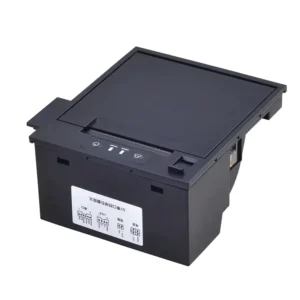
industrial printer copier scanner
Not every business printing need fits a standard office copier. Understanding what actually separates an industrial-grade unit from a typical office model helps buyers avoid an underpowered purchase.
Print Volume Capacity
Industrial-grade machines are built to handle significantly higher monthly print volumes than standard office copiers, which are designed for moderate, everyday business use. Choosing based on actual print volume needs prevents both overspending and premature equipment wear. Businesses comparing an industrial printer copier scanner unit against a standard office model should weigh that volume gap first, since it drives most of the other differences below.
Build Quality and Durability
Heavier-duty internal components allow industrial models to withstand continuous, high-frequency use without the breakdowns a standard office unit would experience under similar demand. This durability directly affects total cost of ownership over the equipment’s working life.
Specialized Finishing Options
Industrial units often include advanced finishing capabilities like booklet-making, advanced stapling, or large-format printing that standard office copiers simply do not offer. These features matter for businesses with specific document production needs beyond routine printing.
Cost Reflects the Capability Gap
Mid-level business copiers run $5,000 to $10,000, while industrial-grade equipment can reach up to $40,000, according to industry pricing data. This price gap reflects genuinely different engineering, not just brand markup.
How to Know Which Category Fits
- Review actual current monthly print volume, not an estimate.
- Consider whether specialized finishing capabilities are genuinely needed.
- Weigh higher upfront cost against reduced breakdown risk under heavy use.
Noise and Physical Footprint Considerations
Industrial-grade equipment tends to run louder and occupy considerably more floor space than a standard office copier. This matters for open office layouts where noise and space constraints can affect placement decisions.
Service Contract Differences Between Categories
Industrial equipment often requires a more specialized service technician than a standard office unit, which can affect repair response time and cost. Confirming a vendor’s specific service capability for industrial-grade machines matters before committing to that category.
Why Some Businesses End Up Overbuying
A business impressed by industrial-grade features during a sales demonstration sometimes commits to more machines than actual print volume ever requires. Reviewing genuine usage data before the sales conversation helps avoid this common, costly mistake.
Networking and Software Compatibility
Industrial machines often integrate with document management software that a standard office copier does not support out of the box. Businesses with existing digital workflows should confirm compatibility before assuming any machine will connect smoothly, since retrofitting later adds unnecessary cost.
Choosing between an office and industrial-grade machine comes down to honestly assessing actual usage needs. Buying more capability than needed wastes money, while underbuying leads to premature equipment failure under real demand.