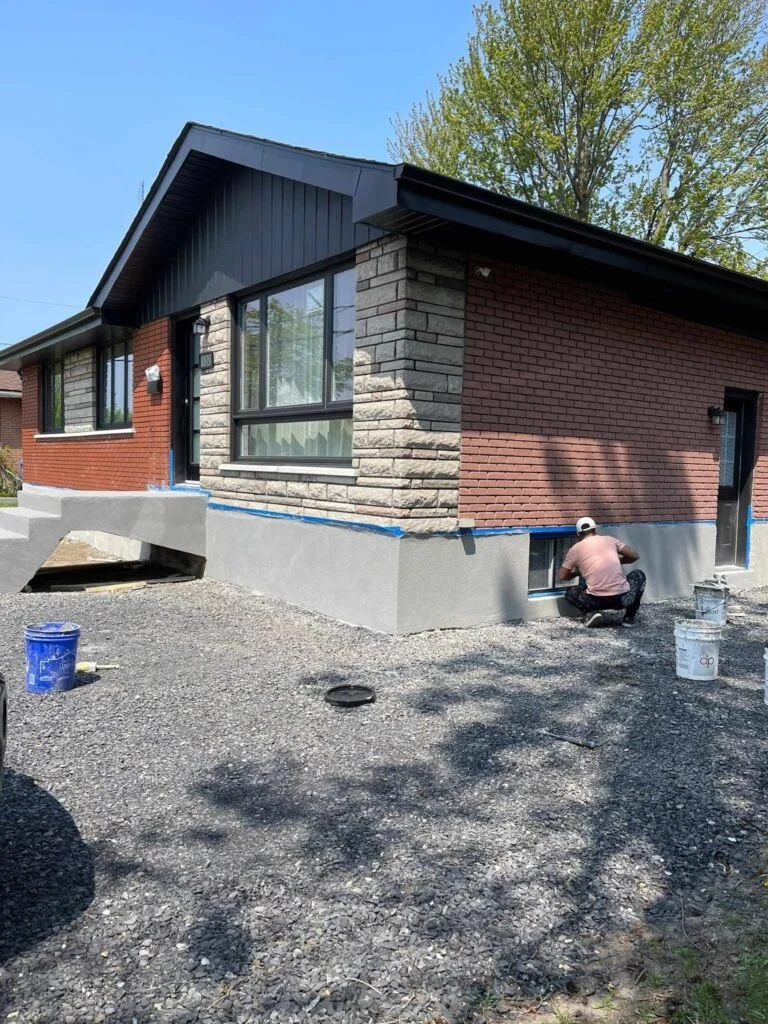
You want your home to stand out, offering both curb appeal and lasting protection. Exterior wall cladding provides a transformative solution, enhancing your property’s aesthetics while safeguarding it against the elements. This protective layer insulates your home, potentially reducing energy costs throughout the year.
Primary Factors to Consider Before Selecting Exterior Wall Cladding
Choosing the right exterior wall cladding requires careful thought. You will want to balance aesthetic appeal with practical considerations for your home. The selection process involves looking at several key areas to ensure the best outcome. The right cladding protects your home while enhancing its curb appeal.
- Assessing local climate and weather resistance
- Evaluating long-term durability and maintenance needs
- Considering aesthetic appeal and architectural harmony
- Understanding budget and installation costs
- Reviewing fire safety and building code compliance
The best choice will provide lasting performance and satisfaction.
Assessing local climate and weather resistance
Your home’s location dictates the kind of weather it endures. Selecting cladding that resists local conditions, such as heavy rain, strong winds, or extreme temperatures, prevents premature wear. You need materials proven to perform in your specific environment.
Evaluating long-term durability and maintenance needs
Consider how long you expect your cladding to last and the effort required to maintain it. Some materials, like fiber cement, offer exceptional longevity with minimal upkeep. Others, such as certain wood sidings, may require regular painting or staining to preserve their appearance and integrity. You can save time and money over the years by understanding these commitments upfront. Different cladding materials present varying life expectancies and maintenance schedules. Vinyl siding, for instance, typically lasts 20-40 years and demands little more than occasional cleaning with a hose. In contrast, natural wood cladding, while offering a classic aesthetic, might need repainting or re-sealing every 5-10 years, depending on the wood type and climate exposure, but can last for decades with proper care. You should research the specific care requirements for each material you consider.
Why Homeowners Trust Tross Construction for Professional Installation
Industry-leading expertise and craftsmanship
You benefit from a team with extensive experience in diverse cladding systems. Our installers possess the specialized skills required for precise application, ensuring your home receives a flawless finish and long-lasting protection, executed to the highest industry standards.
Commitment to high-quality, sustainable materials
We prioritize your home’s longevity and environmental impact by sourcing only premium, durable, and sustainable cladding materials. This commitment guarantees an aesthetic appeal that endures, reducing future maintenance needs.
This dedication extends to partnering with manufacturers who share our vision for ecological responsibility, offering products like recycled content panels or sustainably harvested timber options. Opting for these materials not only reduces your carbon footprint but also often provides superior thermal performance, potentially lowering your energy consumption over the lifespan of your property, a tangible benefit seen in reduced utility bills.
How to Select the Ideal Cladding Material for Your Property
Comparing wood, vinyl, and composite solutions
Selecting the right cladding material involves understanding the distinct characteristics of each option. Consider how different materials perform in terms of durability, maintenance, and aesthetic versatility to align with your home’s needs.
| Cladding Material Comparison | |
| Wood | Offers a natural, classic look, but requires regular maintenance such as staining or painting. |
| Vinyl | A low-maintenance and cost-effective choice, available in a wide array of colors and styles. |
| Composite | Combines the appearance of wood with enhanced durability and minimal upkeep. |
Balancing aesthetic appeal with thermal insulation properties
Your choice of cladding significantly impacts both your home’s visual character and its energy efficiency. Striking the right balance ensures long-term satisfaction.
Achieving optimal thermal performance often involves considering the R-value of the chosen material and any supplementary insulation. For instance, while certain cladding types naturally possess insulating qualities, others may require an additional layer of rigid foam insulation beneath them to meet specific energy efficiency targets. This integrated approach helps reduce heat transfer, contributing to lower heating and cooling costs throughout the year.
How to Prepare Your Home for a Successful Cladding Project
Preparing your home properly ensures a smooth cladding installation. You will need to clear the exterior, address any existing damage, and confirm all necessary permits are secured before the Tross Construction team arrives.
Conducting a thorough structural wall assessment
A structural assessment identifies potential issues, ensuring your home’s framework can support the new cladding. Our specialists will inspect for rot, cracks, or instability, guaranteeing a sound foundation for installation.
Establishing a project timeline and budget
Setting a clear timeline and budget helps manage expectations and resources. You should discuss project phases and financial allocations with Tross Construction to avoid surprises and ensure efficient progress.
Project timelines typically account for material delivery, preparation work, installation, and final inspections. For example, a mid-sized residential cladding project might span several weeks, depending on the complexity and chosen materials. Your budget should encompass not only the cladding materials and labor but also any necessary repairs identified during the structural assessment, as well as potential contingencies for unforeseen issues that may arise during the project’s execution.
Expert Tips for Maintaining Your Exterior Wall Cladding
Sustaining the pristine condition of your exterior wall cladding requires attention to detail and consistent effort. You can significantly extend its lifespan and aesthetic appeal through regular maintenance. Perceiving small issues early prevents costly future repairs.
- Regularly inspect for dirt, grime, and mildew accumulation.
- Clean with appropriate solutions and tools specific to your cladding material.
- Address any signs of damage, such as cracks or loose panels, without delay.
- Consider professional inspections every few years for a comprehensive assessment.
Routine cleaning techniques to preserve appearance
Cleaning your cladding regularly prevents the buildup of unsightly elements. Use a soft brush and a mild detergent solution for most materials, rinsing thoroughly with a garden hose. Avoid high-pressure washers, which can damage certain finishes, especially on natural timber or fiber cement.
Identifying and addressing minor repairs promptly
Catching small imperfections early protects your investment. Look for hairline cracks, chips, or areas where sealant might be deteriorating. Addressing these minor flaws quickly prevents moisture ingress and further structural damage.
Small cracks in stucco or render, for instance, can be filled with an appropriate exterior-grade caulk or patching compound, then painted to match the existing finish. For timber cladding, replace any warped or rotting boards promptly to prevent the decay from spreading to adjacent sections. Similarly, loose fasteners on vinyl or metal cladding should be re-secured to prevent panels from detaching during high winds, maintaining the integrity of the entire system.
Final Words
Choosing Exterior wall cladding offers your home superior protection and a refreshed aesthetic. You can enhance your property’s energy efficiency and curb appeal, ensuring long-term value. This investment provides a durable barrier against the elements, tailoring a unique look that reflects your personal style.
FAQ
Q: How does exterior wall cladding protect my home from weather damage?
A: Exterior wall cladding provides a durable barrier against various weather elements, including rain, wind, and UV radiation. Materials like fiber cement or vinyl, for example, are designed to resist moisture penetration, preventing issues such as rot, mold growth, and structural damage to the underlying walls. The cladding system also helps to mitigate the impact of strong winds, reducing the likelihood of dislodged siding or compromised building integrity during storms.
Q: Can exterior cladding improve my home’s energy efficiency?
A: Yes, many types of exterior wall cladding contribute to improved energy efficiency by adding an extra layer of insulation to your home. Materials such as insulated vinyl siding or certain fiber cement products with integrated insulation can reduce thermal bridging, which is the transfer of heat through structural elements. This additional insulation helps maintain a more consistent indoor temperature, potentially lowering heating and cooling costs throughout the year by reducing the workload on your HVAC system.
Q: What are the aesthetic benefits of installing new exterior cladding?
A: New exterior cladding can dramatically enhance your home’s curb appeal and overall aesthetic. Available in a wide array of colors, textures, and profiles, cladding materials allow homeowners to achieve diverse architectural styles, from traditional to modern. For instance, you might choose a wood-look composite for a rustic feel, or sleek metal panels for a contemporary design, completely transforming the property’s visual identity and potentially increasing its market value.
Q: How does exterior wall cladding contribute to sound insulation?
A: Some cladding materials and installation methods can offer improved sound insulation, reducing noise transmission from outside into your home. Thicker cladding materials, or systems that incorporate a layer of insulation, can absorb or deflect sound waves. This can be particularly beneficial for homes located near busy roads, commercial areas, or other sources of external noise, creating a quieter and more peaceful indoor environment.
Q: What maintenance is typically required for exterior wall cladding?
A: The specific maintenance requirements for exterior wall cladding vary depending on the material chosen, but generally, cladding is designed for low upkeep. Vinyl siding, for instance, often requires only occasional cleaning with soap and water to remove dirt and mildew. Fiber cement products might need periodic repainting every 10-15 years, while natural wood cladding may necessitate more frequent staining or sealing to maintain its appearance and protect against weather exposure, though even these options are less demanding than traditional exterior finishes.