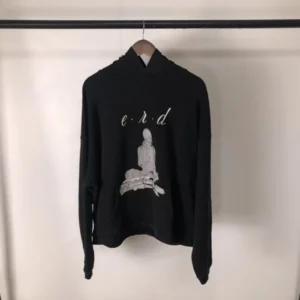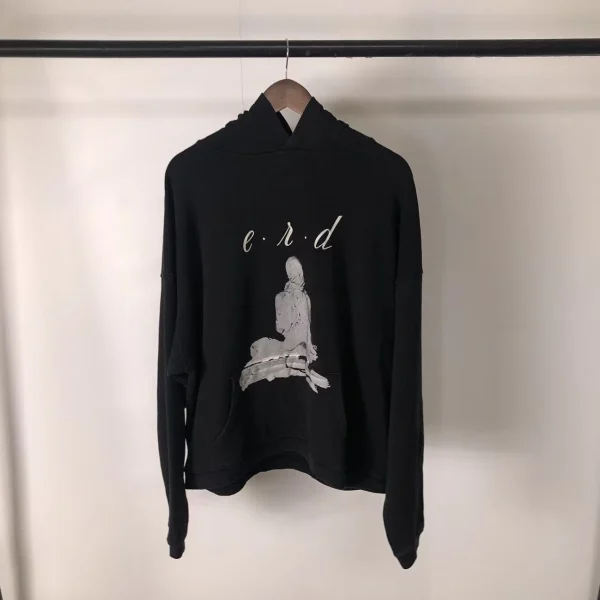
There is a particular kind of outfit that looks like it took no effort but quietly took a lot of thought. A faded tee with a frayed neckline, a worn jacket hanging off one shoulder, a knit with holes in all the right places. That is the world of Enfants Riches Deprimes, and learning how to wear Enfants Riches Deprimes layers is really about learning how to make controlled chaos look good.
Whether you just bought your first piece or you are building a whole wardrobe around the label, this guide walks through the logic behind the look, the history that shaped it, and the practical steps that make layering feel natural instead of costume like.
A Quick Look at the Brand Behind the Look
Which translates roughly to “rich depressed children,” was founded in Paris in 2012 by designer Henri Alexander Levy. The enfants riches deprimes alone tells you the attitude. It plays on the idea of privilege mixed with restlessness, a theme that runs through the whole collection.
The label grew out of a love for punk, grunge, rock and roll and the faded wardrobes of musicians who lived in their clothes. Pieces are known for hand distressing, washed out colors, gothic style lettering, and a lived in feel that usually takes years to earn. Over time the brand found a loyal following among stylists, musicians and streetwear fans who wanted vintage character without hunting through thrift bins.
Understanding this background matters because layering in this style is not about looking tidy. It is about looking like your clothes have a story.
Why Layering Works So Well With This Style
Distressed clothing is naturally textured. Cracked prints, frayed hems, sun faded dyes and torn knits all add visual noise. When you layer them, that noise stacks up, and the trick is deciding which parts of the outfit get to be loud and which parts stay quiet.
Think of an outfit as a conversation. If every piece is shouting, nobody hears anything. Good layering gives each item a role: one piece leads, one supports, and one simply holds the background together.
Start With a Solid Base Layer
Every strong outfit starts underneath. For most people, that means a well fitted tee or long sleeve. If you are wearing a graphic piece from the label, the base layer can be the star. If you are wearing a statement jacket, keep the base calmer.
A few base layer rules that hold up in real life:
- Choose a color that sits in the same family as your top layer. Faded black, washed grey, bone white and dusty brown all play nicely together.
- Pay attention to the neckline. A slightly stretched or frayed collar can peek out from under a knit and add instant character.
- Do not go too tight. This look leans relaxed, so a base layer with a little drape reads as more natural.
Add the Middle Layer for Depth
The middle layer is where most of the magic happens. This is usually a hoodie, a cardigan, a flannel, or a thick knit sweater. In distressed styling, the middle layer is often the piece that shows through holes or open edges in the outer layer.
Here is a trick that works surprisingly well. Choose a middle layer in a slightly different shade from your base. If your base is enfantsrichesdeprimeshop.com off white, try a charcoal or faded olive hoodie over it. When the two colors show together at the hem or cuff, the outfit gains dimension without needing extra accessories.
Hoodies work especially well because the hood adds a soft shape around the neck. Pulling it over the collar of a jacket creates a layered silhouette that feels both cozy and a little rebellious.
Finish With a Statement Outer Layer
Now comes the part most people picture first: the jacket, the overshirt, the worn leather or heavy denim. This layer carries the attitude. Because Enfants Riches Deprimes pieces often come with deliberate wear, fading and fraying, the outer layer works best when the rest of the outfit stays disciplined.
A few ways to approach it:
- Wear it open over your middle layer so the textures can overlap.
- Let it hang slightly off the shoulder if the cut allows, which is a classic move in the rock inspired wardrobe.
- Roll the sleeves once or twice to show the cuff of the layer beneath.
If your outer layer has heavy distressing, keep the details underneath clean. A frayed jacket over a perfect tee looks sharp. A frayed jacket over a frayed hoodie over a frayed tee looks like a laundry pile.
Master the Proportions
Proportion is the quiet skill that separates good layering from messy layering. The general principle is simple: if the top half is voluminous, balance it with something more fitted below, and the other way around.
For example, a boxy oversized jacket and a roomy hoodie look best with slim or straight leg trousers. Wide, baggy pants pair better with a shorter, more structured top layer. When both halves are oversized, you can lose your shape entirely.
Length also matters. Let layers fall at different points. A hoodie hem a few inches below a jacket hem, and a tee hem peeking out beneath that, creates a clean stepped line that the eye enjoys. This staggered effect is one of the easiest ways to make an outfit look professionally styled.
Play With Color Like a Stylist
Color is the area where this label really shines. The palette tends to lean toward muted, sun bleached and vintage tones: black that has turned slightly grey, red that has softened to brick, blue that looks like old denim washed a hundred times.
Because the colors already look aged, they blend more easily than fresh, saturated shades. You can safely pair tones that would normally clash. Try these combinations:
- Faded black with cream and washed grey for a classic, moody base.
- Brick red with dusty navy for a more vintage, collegiate feel.
- Olive and tan with off white for a rugged, outdoor leaning mix.
When in doubt, limit yourself to three tones and let texture do the rest of the talking.
Choose Fabrics That Layer Well
Not every fabric stacks nicely. Thick wool over thick cotton over heavy denim will leave you stiff and warm. A smarter approach is to mix weights. Pair a lightweight cotton base with a mid weight knit and a heavier outer piece. Cotton jersey, brushed fleece, washed denim and soft wool all sit well together.
Texture contrast helps too. A smooth tee under a nubby knit under a rough denim jacket gives the eye something to explore. Distressed fabrics already have visible wear, so pair them with at least one smoother surface to give the outfit a place to rest.
Style the Details Without Overdoing It
Accessories should support the layers, not compete with them. A simple cap, a plain beanie, a chain, or a worn leather belt is usually enough. Footwear should lean practical and a little scuffed: boots, broken in sneakers, or simple skate style shoes all fit the mood.
One piece of advice that rarely gets mentioned is to let things look slightly imperfect. A crooked collar, a sleeve pushed up unevenly, or a hem that is not perfectly tucked all add to the lived in character. Over styling can ruin the effect faster than almost anything.
Adjust Your Layers for the Season
Layering is not just a style choice, it is a comfort tool. In colder months, lean on thicker knits and heavier jackets, and use thermal base layers if needed. In spring and autumn, a tee, an open overshirt and a light jacket do the job. Even in warmer weather you can layer a thin long sleeve under a short sleeve tee for a relaxed, slightly grungy look that does not overheat you.
Care Tips to Keep the Look Alive
Distressed pieces need gentle care. Wash them inside out, on a cool cycle, and avoid high heat drying, which can speed up unwanted tearing. Air drying is best. Store knits folded instead of hanging, so the shoulders do not stretch. Treat the damage as part of the design, and handle it with a bit of respect so a small hole does not turn into a large one.
Common Mistakes to Avoid
- Wearing too many heavily distressed pieces at once.
- Ignoring fit, which makes the outfit look sloppy rather than relaxed.
- Matching every color perfectly, which removes the casual edge.
- Forgetting about comfort, since a layered outfit you cannot move in is not worth wearing.
FAQs
How many layers should I wear with Enfants Riches Deprimes pieces?
Two or three layers is the sweet spot. A base, a middle piece and one statement outer layer give depth without bulk.
Can I mix distressed pieces with clean basics?
Yes, and it is often the best approach. Clean basics let the distressed item stand out instead of competing with other worn textures.
What colors work best for layering this style?
Muted and faded tones such as washed black, grey, cream, brick red and olive blend easily and keep the outfit cohesive.