Wild-harvested pine pollen
Wild-harvested pine pollen is a natural botanical ingredient collected from the male cones of pine trees. It has gained attention among people interested in traditional herbal practices, plant-based wellness, and naturally sourced supplements. Often available as a powder, tincture, or capsule, pine pollen is valued for its nutritional composition and its long history of use in traditional Chinese medicine.
As interest in natural wellness products continues to grow, wild-harvested pine pollen has become an appealing option for consumers looking to explore plant-derived ingredients. However, understanding how it is collected, what it contains, how it may be used, and what to consider when purchasing it is essential for making an informed decision.
What Is Wild-Harvested Pine Pollen?
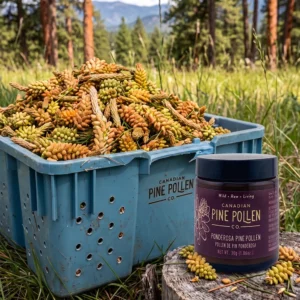
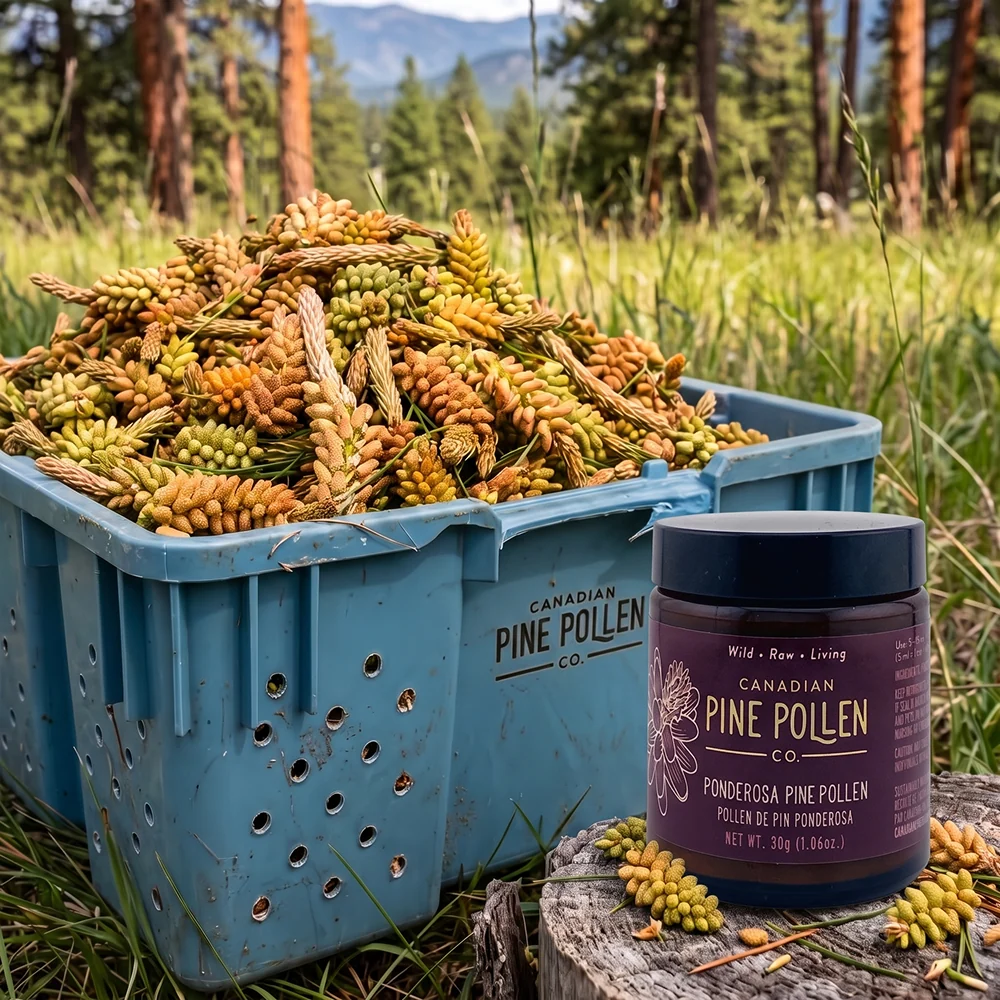
Wild-harvested pine pollen is pollen collected directly from pine trees growing in their natural environments rather than from trees cultivated specifically for commercial production. Male pine cones release fine, yellowish pollen grains during the reproductive season, and harvesters collect this material before processing it into a usable form.
Pine pollen has a long history of traditional use in parts of Asia, particularly China, where it has been incorporated into certain herbal preparations and wellness practices. Today, it is sold in various markets as a botanical supplement and natural food ingredient.
The term wild-harvested describes the source and collection method. It does not automatically mean that a product is organic, uncontaminated, or more nutritious than pollen collected from cultivated trees. Product quality depends on the harvesting environment, collection practices, processing methods, and testing standards.
How Is Wild Pine Pollen Harvested?
The harvesting process typically takes place during the pine trees’ pollen-producing season, which varies according to the species, climate, and geographical location.
Harvesters identify mature male cones and collect the pollen as it is released. Depending on the harvesting method, collection may involve gathering pollen directly from the cones or using suitable equipment to capture the fine particles.
After collection, the pollen is usually cleaned to remove unwanted plant material and other impurities. It may then be dried under controlled conditions to help preserve its quality and reduce moisture.
Some producers use additional processing techniques to create different product formats. For example, whole pollen grains may be milled into a fine powder, while other manufacturers prepare liquid extracts or tinctures.
Responsible wild harvesting is particularly important because pine trees contribute to forest ecosystems. Sustainable collection practices should avoid unnecessary damage to trees, protect surrounding vegetation, and leave sufficient resources for natural regeneration.
Nutritional Composition of Pine Pollen
Pine pollen contains a range of naturally occurring compounds that contribute to its interest as a botanical ingredient. Its composition can vary depending on the pine species, growing conditions, harvesting season, and processing techniques.
Some of the components reported in pine pollen include:
- Proteins and amino acids: Pine pollen contains proteins and amino acids, although the nutritional contribution of a typical supplement serving depends on the product and quantity consumed.
- Carbohydrates: Naturally occurring carbohydrates contribute to the composition of pollen.
- Lipids: Pine pollen contains small amounts of fats and other lipid compounds.
- Minerals: Depending on the source, it may contain minerals such as potassium, magnesium, calcium, and zinc.
- Plant compounds: Pine pollen contains various naturally occurring phytochemicals, including compounds that have attracted scientific interest for their antioxidant properties.
Although these components are potentially interesting from a nutritional perspective, the presence of a nutrient or plant compound does not automatically mean that consuming pine pollen provides a meaningful health benefit. The amount absorbed by the body and the quality of the supporting scientific evidence are important considerations.
Consumers should review the product label and, when available, an independent laboratory analysis to understand the composition of the specific product they are considering.
Potential Benefits of Wild-Harvested Pine Pollen
Wild-harvested pine pollen is promoted for several wellness-related purposes. However, it is important to distinguish traditional uses and preliminary scientific findings from benefits demonstrated in well-designed human clinical trials.
1. Provides Naturally Occurring Plant Nutrients
Pine pollen contains several nutritional components, including amino acids, carbohydrates, lipids, and minerals. This composition contributes to its popularity among people interested in botanical supplements.
However, pine pollen should not be considered a replacement for a balanced diet. Its nutritional value depends on the product’s composition and serving size, and there is limited evidence that typical supplement servings provide substantial nutritional advantages over common foods.
2. Contains Antioxidant Compounds
Some laboratory studies of pine pollen and its extracts have investigated antioxidant activity. Antioxidants are compounds that can interact with free radicals and other reactive molecules under particular conditions.
These findings help researchers understand the potential biological properties of pine pollen. Nevertheless, laboratory antioxidant activity does not establish that consuming a supplement prevents disease or produces measurable improvements in human health.
More clinical research is needed to determine whether the compounds in pine pollen provide meaningful benefits when consumed.
3. Has a History of Traditional Use
Pine pollen has been used in traditional Chinese herbal practices for various purposes. This historical background contributes to its continued popularity in the botanical wellness market.
Traditional use can provide useful starting points for scientific investigation, but it should not be confused with modern clinical evidence. Traditional preparations, doses, and intended uses may also differ from those of commercially available supplements.
4. Appeals to Plant-Based Wellness Consumers
People who prefer botanical products may be interested in pine pollen because it is derived from trees and can be incorporated into different supplement formats.
Its natural origin may appeal to consumers seeking alternatives to certain synthetic ingredients. However, natural products can still cause allergic reactions, interact with medications, or contain contaminants if they are poorly manufactured.
Choosing a supplement based on verified quality and a clear understanding of its intended use is more reliable than assuming that natural ingredients are automatically safe or effective.
5. Offers Different Preparation Options
Pine pollen is available in powders, capsules, and liquid extracts. These formats provide different ways to consume the ingredient, although their concentrations and compositions may vary.
Powdered products can be mixed into foods or beverages when the label permits. Capsules offer a convenient, measured format, while tinctures provide a liquid preparation.
No format has been conclusively established as superior for overall health. Product-specific information, ingredient concentration, manufacturing quality, and intended use should guide purchasing decisions.
Wild-Harvested vs. Cultivated Pine Pollen
The main difference between wild-harvested and cultivated pine pollen is the environment in which the trees grow and how the pollen is collected.
Wild-harvested products come from naturally growing pine trees, while cultivated products are collected from trees grown or managed in designated production areas.
Wild harvesting may appeal to consumers who prefer botanicals sourced from natural forest environments. Cultivated production, however, can offer greater control over growing conditions, collection schedules, and traceability.
Neither sourcing method automatically guarantees superior quality. Factors such as pollution exposure, pesticide use, microbial contamination, processing conditions, and independent testing may have a greater influence on the final product.
For this reason, consumers should evaluate individual products rather than assuming that wild-harvested pine pollen is always better than cultivated alternatives.
How to Choose High-Quality Wild-Harvested Pine Pollen
Selecting a reliable product requires more than checking whether the label says wild-harvested. Several quality indicators can help consumers make a more informed choice.
Check the botanical source. Reputable manufacturers should identify the pine species when possible and provide clear information about the product’s origin.
Look for independent laboratory testing. Testing by a qualified laboratory can help assess contaminants such as heavy metals, pesticides, and harmful microorganisms. A current certificate of analysis is useful when it identifies the tested product or batch.
Review the processing information. Clear information about collection, cleaning, drying, and storage indicates greater transparency. Processing methods should be appropriate for the product format.
Examine the ingredient list. Choose products that clearly disclose their ingredients and avoid unnecessary additives when those are not desired.
Evaluate manufacturer transparency. Reliable suppliers should provide contact information, batch details, storage instructions, and clear guidance for product use.
Consider packaging and storage. Pine pollen should be protected from excessive moisture, heat, and contamination. Follow the manufacturer’s instructions and avoid products with damaged packaging or unclear expiration information.
These checks are particularly valuable when purchasing botanical supplements online, where product descriptions may make claims that are not supported by independent evidence.
How Is Pine Pollen Commonly Used?
Wild-harvested pine pollen is available in several forms, and the appropriate method of use depends on the specific product.
Pine pollen powder may be added to a smoothie or another food or beverage if the product is intended for that purpose. Capsules provide a premeasured serving, while tinctures are taken according to their individual labels.
There is no universally established dosage for pine pollen that has been proven safe and effective for all people. Concentrations vary between powders, extracts, and tinctures, so serving instructions for one product should not be applied to another.
Consumers should follow the manufacturer’s directions and consult a qualified healthcare professional before using pine pollen for a health concern or combining it with medication.
Safety Considerations and Possible Side Effects
Despite its natural origin, pine pollen is not suitable for everyone. Pollen can trigger allergic reactions, and individuals with seasonal allergies or sensitivities to tree pollen should be particularly cautious.
Possible allergic symptoms include sneezing, itching, skin reactions, and swelling. Difficulty breathing or swelling of the throat requires emergency medical attention.
Safety information for concentrated pine pollen supplements remains limited. People who are pregnant or breastfeeding, children, and individuals with existing medical conditions should seek professional advice before using these products. Anyone taking prescription medication should also check for potential interactions.
Pine pollen is sometimes marketed with claims involving testosterone, hormone balance, athletic performance, or anti-aging effects. Such claims should be approached cautiously because robust human evidence supporting these uses is lacking. Consumers should not use pine pollen as a substitute for medical assessment or prescribed treatment.
Frequently Asked Questions About Wild-Harvested Pine Pollen
Is wild-harvested pine pollen organic?
Not necessarily. Wild harvesting describes where and how pollen is collected, while organic status depends on applicable certification requirements. Look for valid certification if organic sourcing is important to you.
Is pine pollen suitable for everyday use?
Daily use depends on the product, individual health circumstances, and potential allergy risks. There is no universally established daily dosage supported by sufficient clinical evidence. Follow product instructions and seek professional guidance when appropriate.
Does wild-harvested pine pollen have more nutrients?
There is insufficient evidence to conclude that wild-harvested pine pollen is consistently more nutritious than cultivated pollen. Composition varies with species, environment, and processing.
How should pine pollen be stored?
Store the product according to its label, generally in a cool, dry place away from direct sunlight and moisture. Keep it securely closed and observe the expiration date.
Conclusion
Wild-harvested pine pollen is a botanical ingredient with a long history of traditional use and a nutritional composition that has attracted interest in the natural wellness market. Available in powders, capsules, and tinctures, it offers consumers several preparation options and an alternative ingredient to explore.
However, its potential benefits should be considered in the context of the available scientific evidence. Research into its nutritional components and biological properties is ongoing, and many popular health claims have not been established through high-quality human studies.
When choosing wild-harvested pine pollen, prioritize transparent sourcing, responsible harvesting, independent laboratory testing, and clear product information. Understanding potential allergies and other safety considerations is equally important.
By focusing on product quality and evidence-based expectations, consumers can make more informed decisions about whether wild-harvested pine pollen fits their personal wellness preferences.