Building or purchasing a log dwelling is a dream for many property owners who appreciate natural aesthetics and structural durability. However, buyers frequently ask if securing coverage for these structures costs noticeably more than for conventional stick-built residences. Working closely with an experienced log home contractor colorado homebuilders trust ensures that design decisions address structural integrity alongside long-term insurability. Understanding how insurance carriers view timber structures allows owners to manage total cost of ownership effectively from day one.
Understanding the Insurability of Log Homes
Insurers evaluate home policies primarily based on replacement cost and risk exposure rather than current real estate market value. On average, log structures cost roughly 10% to 25% more to insure than standard frame homes of comparable square footage. This price difference is rarely driven by structural weakness; modern log construction performs exceptionally well under heavy snow loads, seismic activity, and high winds. Instead, insurance premiums reflect specialized labor costs, unique material sourcing, and regional environmental factors.
Standard Houses vs. Log Structures: Structural Considerations
Standard residential construction relies on dimensional lumber framing, standardized drywall, and mass-produced exterior siding. If damage occurs, local crews can readily source off-the-shelf materials to make quick repairs.
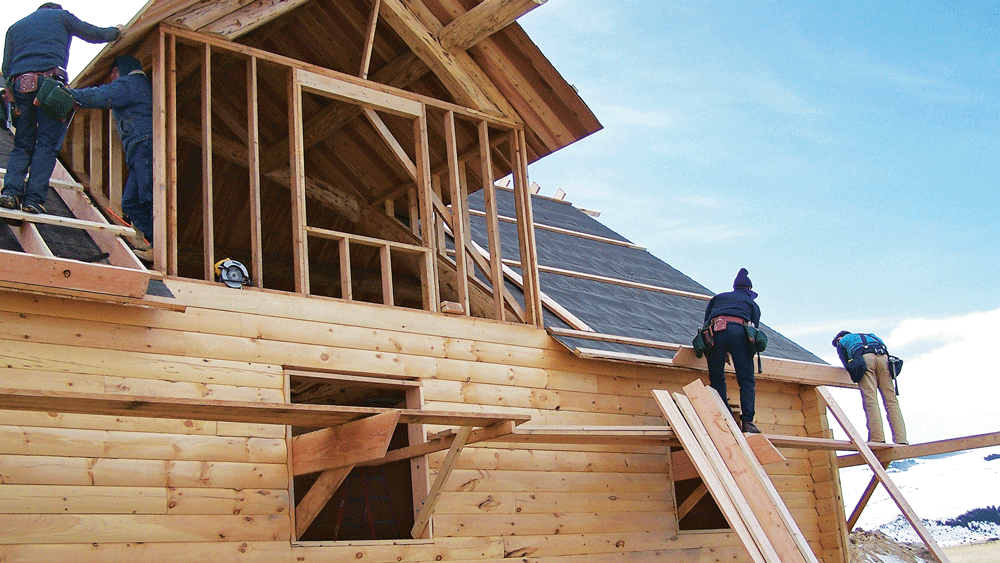
Log homes rely on solid timber walls engineered to serve as both load-bearing structure and exterior finish. When a portion of a log wall requires repair or replacement following a covered loss, matching species, moisture content, log profiles, and corner notch styles demands specialized craftsmanship. Underwriters account for these specialized labor rates when calculating dwelling coverage limits.
                     REBUILD COST PROFILE
┌───────────────────────────────┬───────────────────────────────┐
│     Standard Frame Home       │        Log Construction       │
├───────────────────────────────┼───────────────────────────────┤
│ • Off-the-shelf lumber        │ • Specialized timber profiles │
│ • Widespread contractor pool  │ • Skilled timber craftsmen    │
│ • Standardized repairs        │ • Custom corner matching      │
│ • Lower material lead times   │ • Sourced species matching    │
└───────────────────────────────┴───────────────────────────────┘
Primary Cost Factors Driving Log Home Insurance Rates
Insurance carriers use specific metrics to assign risk profiles to solid timber properties. Knowing these variables helps prospective buyers plan wisely during pre-construction planning.
1. Higher Replacement Costs
Replacement cost represents the actual expense needed to rebuild the property to its existing condition following a total loss. Heavy timber framing, hand-hewn finishes, and custom joinery drive higher per-square-foot rebuild estimates than traditional drywall and vinyl siding. Higher coverage limits directly correlate with higher annual policy premiums.
2. Location and Protection Class Ratings
Log properties are frequently built on rural acreage, mountainous terrain, or wooded parcels. Insurance companies assess a property’s ISO Protection Class, which rates local fire department response capabilities, water source access (such as nearby hydrants or storage tanks), and road accessibility for emergency vehicles. A remote cabin located ten miles from the nearest volunteer fire station carries higher risk premiums than a home situated within municipal city limits.
3. Wildfire Exposure and Surrounding Vegetation
Structures located near dense timber stands or within designated Wildland-Urban Interface (WUI) zones face elevated insurance scrutiny. Carriers look closely at defensible space, vegetative clearing, and exterior building choices. Partnering with a knowledgeable log home contractor during site development ensures that driveways, tree setbacks, and slope clearances align with carrier guidelines.
4. Construction Type: Milled vs. Handcrafted Logs
Insurance carriers distinguish between uniform milled log packages and custom handcrafted logs. Milled logs feature uniform dimensions and tongue-and-groove joinery, making rebuild estimates predictable. Handcrafted log homes utilize full-scribe or piece-en-piece timber work, requiring master timber framers to restore. Consequently, handcrafted structures usually incur higher dwelling coverage requirements.
Key Insurance Metrics: Log Homes vs. Standard Homes
The table below highlights how key property features differ between custom log homes and conventional residential builds, illustrating the factors that shape underwriter pricing models.
| Rating Factor | Standard Frame Home | Custom Log Home | Impact on Insurance Premium |
| Primary Material Sourcing | Dimensional 2×4 / 2×6 framing | Solid milled or handcrafted timbers | Higher for log homes due to material costs. |
| Labor Availability | Broad pool of general framers | Specialized timber artisans | Increases log home rebuild rates. |
| Typical Site Location | Suburban / Urban developments | Rural, mountainous, or forested lots | Higher risk if far from fire services. |
| Roofing Requirements | Standard asphalt shingles | Class A fire-rated metal or stone tile | Fire-rated roofs offset timber risks. |
| Moisture & Pest Sensitivity | Sealed behind exterior siding | Requires external stain/seal cycles | Maintenance logs lower carrier risk. |
Proactive Strategies to Reduce Log Home Insurance Premiums
While insuring a timber structure often carries a price premium, homeowners can take specific actions to optimize eligibility and secure competitive rates.
Install Fire-Resistant Roof Systems
Roof performance represents a primary factor in overall home risk assessment. Opting for Class A fire-rated standing seam metal roofing or heavy Class A composite shingles mitigates exterior fire threats, frequently earning policy discounts.
Maintain Documented Upkeep Schedules
Log walls require periodic washing, UV-protective staining, chinking inspections, and caulk sealing to prevent water intrusion and insect infestation. Insurance underwriters appreciate documented maintenance schedules demonstrating proactive exterior care, protecting long-term structural health.
Implement Defensible Space Around the Perimeter
Clearing brush, trimming lower tree limbs, and maintaining a 30-foot non-combustible zone (using stone or gravel ground cover near the foundation) significantly reduces wildland fire exposure.
Work with Specialty Carriers
Standard mass-market insurers often apply generic high-risk surcharges to timber structures simply because their automated rating models lack log construction metrics. Working with specialty insurance brokers who understand custom timber construction ensures accurate rebuild estimates without unnecessary rate penalties.
Conclusion
Insuring a log residence often costs moderately more than insuring a standard suburban house due to specialized replacement materials, artisan labor requirements, and rural site locations. However, higher rates are far from inevitable. By incorporating Class A fire-rated materials, maintaining clear defensible space, establishing regular maintenance routines, and designing thoughtfully from the start, owners can protect their investment while keeping annual insurance costs manageable. Consulting experienced construction professionals during design ensures your dream home remains structurally sound and fully insurable for decades to come.
Frequently Asked Questions
Are log homes harder to insure than standard houses?
They can be harder to insure through standard direct-to-consumer carriers who lack timber underwriting guidelines. However, working with independent agents specializing in custom or rural properties makes securing comprehensive coverage straightforward.
Why do replacement costs run higher for log construction?
Rebuilding timber walls requires sourcing matching tree species, specialized drying processes, and hiring experienced log artisans rather than standard framing crews. These custom requirements increase per-square-foot reconstruction expenses.
Does a log home’s fire rating affect policy rates?
Yes. Thick, solid logs naturally char on the exterior while retaining structural integrity longer than thin interior wall studs. Combining heavy timber walls with Class A fire-rated roofing helps lower fire risk evaluations.
Will insurance cover log home rot or insect damage?
Standard home insurance policies typically exclude damage caused by normal wear and tear, lack of maintenance, rot, or insect infestation. Keeping up with routine staining, sealing, and pest control remains the owner’s responsibility.
Can site selection lower log home insurance costs?
Yes. Building closer to a year-round fire department, placing water storage tanks on site, and choosing lots with good emergency road access reduces the property’s ISO Protection Class score, directly lowering annual premiums.